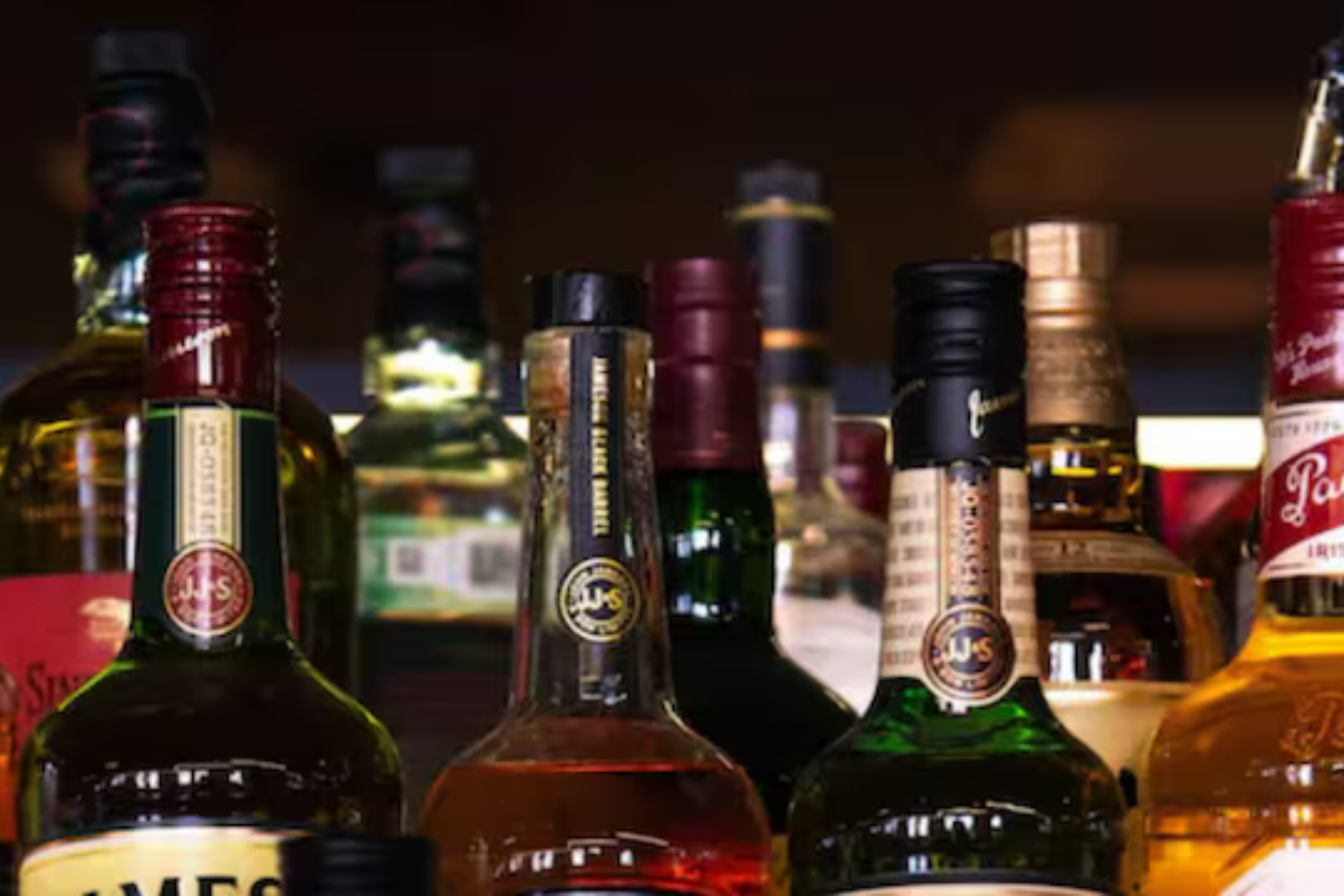
GST (Goods and Services Tax) is India’s unified tax system that applies to most goods and services—but not everything. One major exception? Alcohol for human consumption. Though it’s heavily traded and taxed, alcohol doesn’t fall under GST. Let’s break down why, how it’s taxed instead, and what this means for businesses and consumers.
Is GST Charged on Alcohol?
No. Alcohol meant for human consumption is completely excluded from GST. According to Article 366(12) of the Indian Constitution, alcohol is outside the GST umbrella. This exclusion has also been confirmed by the GST Council.
However, alcohol-based products such as hand sanitizers, perfumes, and industrial alcohol do attract GST since they’re not meant for drinking.
How Is Alcohol Taxed in India?
Instead of GST, alcohol is taxed at the state level through:
- State Excise Duty: The main tax on liquor. Each state sets its own rates, leading to price variations across the country. In places like Karnataka and Tamil Nadu, over 78% of alcohol tax revenue comes from excise duty.
- Value Added Tax (VAT): In addition to excise duty, states charge VAT, which varies.
- Karnataka: 20% VAT
- Maharashtra: 25% on country liquor, 35% on foreign liquor
What About GST on Alcohol-Related Inputs?
While alcohol itself isn’t taxed under GST, many goods and services used in alcohol production are. This includes:
- Packaging materials (bottles, caps, labels) – 18% GST
- Manufacturing equipment – 18% GST
- Transport and logistics – 5% to 18% GST
- Advertising and promotion – 18% GST
Since alcohol isn’t part of the GST system, Input Tax Credit (ITC) is not available. This increases the cost for producers, who usually pass it on to consumers.
Why Alcohol Is Excluded from GST
There are two major reasons:
- Revenue for States: Taxes on alcohol earn states nearly ₹90,000 crore a year. Including alcohol under GST would shift that revenue to the Centre.
- Control over Consumption: States use high taxes to keep liquor prices up and discourage excessive drinking. Staying out of GST lets states maintain this control.
Why Liquor Prices Rose After GST
Even though GST doesn’t apply to alcohol itself, prices still increased due to:
- Higher GST on raw materials and services (from 12–15% VAT to 18% GST)
- Increased transport costs (from 15% service tax to 18% GST)
- No ITC benefit, meaning more out-of-pocket expenses for producers
- Manufacturers pass on these costs, leading to higher retail prices
GST on Alcohol-Related Products
These products do attract GST:
Product Type | GST Rate |
Hand sanitizers | 18% |
Perfumes & deodorants | 18–28% |
Industrial-grade alcohol | 18% |
Medicinal alcohol (e.g., syrups) | 5–12% |
Chemical solvents, thinners | 18% |
Alcohol-based cleaning agents | 18% |
Low-alcohol fermented drinks | 12–18% |
Vinegar & acetic acid products | 18% |
Impact on Alcohol Businesses
- Dual Tax System
Alcohol businesses operate under two parallel tax systems—GST for inputs, and state taxes (excise + VAT) for the final product. - Cost Pressure
No ITC means producers pay GST on all inputs without getting credit. This inflates production costs, especially for smaller players. - Microbreweries Hit Hard
Smaller breweries face:
- Higher input costs (bottles, labels, advertising, etc.)
- No credit relief
- Cash flow issues and limited margins
This makes it tough for them to grow or compete with larger firms.
How This Affects Consumers
- Price Differences Across States
Due to varying state taxes, liquor prices differ widely.
- Karnataka: Beer taxed at 205% of its cost
- Goa: Much lower taxes make it more affordable
- Lack of Transparency
Unlike GST-included products, liquor has no standard national pricing. Consumers can’t easily see how much tax they’re paying.
Conclusion
Alcohol for human consumption remains outside the GST system, giving states full control over its taxation. However, businesses still pay GST on inputs and services—without getting tax credit—raising overall costs. This dual system leads to price differences and operational hurdles, especially for small-scale producers.
For support with alcohol-related tax compliance or help with GST registration for related businesses, you can reach out to Online Legal India.
FAQs
- Is GST charged on alcohol?
No. Alcohol meant for drinking is excluded from GST. States apply their own taxes. - Can VAT be applied to alcohol?
Yes. Each state charges VAT on liquor sales, which leads to regional price differences. - Is there a 40% GST on beverages?
No. Non-alcoholic beverages may attract 28% GST + 12% cess, but not 40%. - How much GST is levied on whisky?
None. Whisky is not covered under GST. States levy excise and VAT instead. - What are examples of goods with 18% GST?
Goods and services like liquor packaging materials, transport, and ads related to alcohol production attract 18% GST.